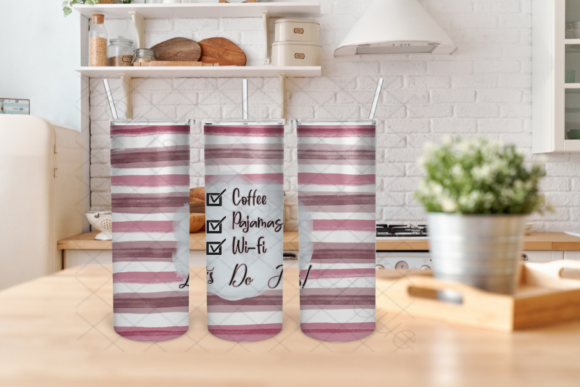
Coffee, Pajamas, Wi-Fi: Modern Design for the Creative Lifestyle
Imagine the perfect creative session: a steaming mug of coffee, the comfort of pajamas, a strong Wi-Fi connection, and a sleek tumbler at your side. This isn't just a cozy scenario—it's the new workspace for designers, creators, and entrepreneurs who value flexibility and efficiency. The right creative assets, like optimized digital files, transform this relaxed environment into a powerhouse of professional output, enabling everything from branding projects to social media content.
The Role of Optimized Digital Assets in Visual Design
In modern graphic design, the quality of your source files directly impacts your final product. High-resolution, properly formatted assets are the foundation of effective visual communication. A 400 DPI PNG file, for instance, ensures crisp lines and vibrant colors whether you're designing a logo, packaging, or a large-format print. This technical precision supports a strong brand identity and prevents pixelation or blurring, which can undermine a professional presentation.
For creators using cutting machines like Cricut or Silhouette, file optimization is non-negotiable. A well-crafted SVG or DXF file with clean paths and proper layering saves hours of troubleshooting and ensures a flawless cut. This reliability is crucial for merchandise, custom apparel, and intricate paper crafts, where a single design flaw can ruin materials and stall projects.
Practical Applications Across Creative Projects
Quality design elements find use in a vast array of applications, enhancing both aesthetics and functionality. Consider how a thoughtfully designed graphic can elevate:
- Branding & Logo Design: Establish a memorable visual identity with scalable vector logos and complementary assets.
- Marketing Materials: Create cohesive brochures, flyers, and ads that maintain brand consistency.
- Social Media Content: Design eye-catching posts and stories that boost engagement and reinforce your brand voice.
- Packaging Design: Develop unique product labels and unboxing experiences that delight customers.
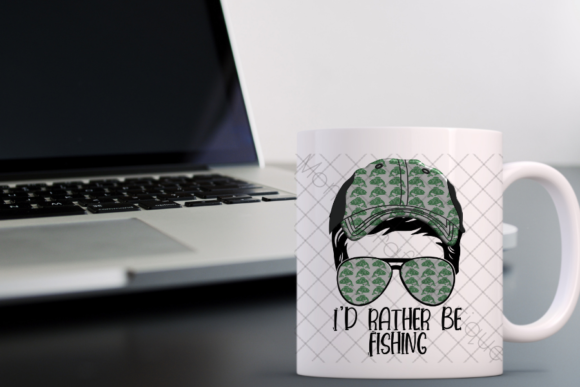
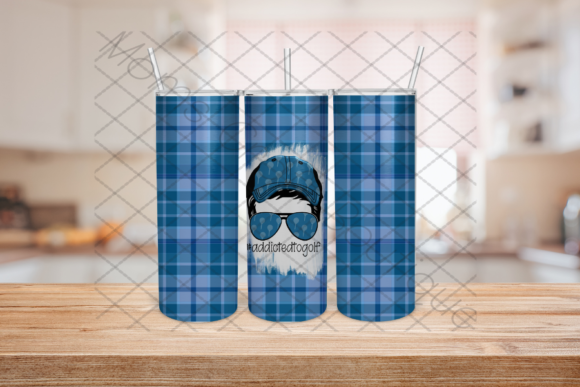
- Merchandise & Print-on-Demand: Produce ready-to-cut files for custom apparel, mugs, and home decor.
Selecting and Evaluating Design Elements Effectively
When sourcing creative assets, prioritize quality and compatibility. Look for files that offer transparency (like PNGs with transparent backgrounds), scalability (vectors for logos), and technical precision (optimized cutting files). Evaluate the creator's commitment to originality and legal safety—working with trademark-free designs protects your business and ensures long-term viability.
Integrate new assets seamlessly into your existing design workflow. Check that color palettes align with your brand guidelines, typography choices reflect your desired tone, and compositions support clear visual hierarchy. A well-organized library of high-quality, versatile elements accelerates your design process, allowing you to focus on strategy and creativity rather than technical fixes.
Ultimately, the goal is to marry function with form. Whether you're crafting a brand identity, designing a website UI, or preparing merchandise for launch, your tools should empower your vision. Thoughtful selection of design resources—those that are technically sound, legally clear, and aesthetically versatile—elevates your work from merely good to professionally compelling. By investing in quality assets, you ensure that every project, whether created in pajamas with coffee in hand, communicates with clarity, impact, and enduring style.