Elevate Your Designs with Vintage Lace Textures
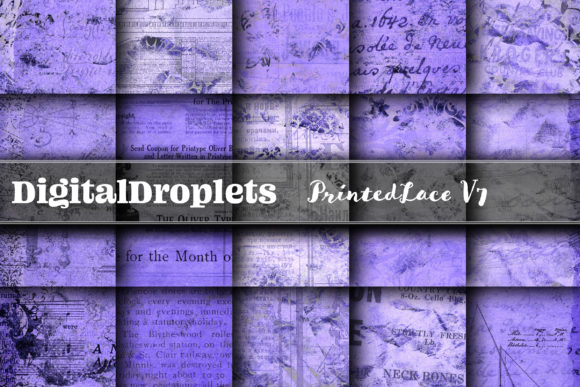
In a digital landscape often dominated by sleek minimalism, introducing a touch of vintage texture can create a powerful visual contrast. The Printed Lace Vol. 7 | Collection offers exactly this—a curated set of 10 unique 12x12 paper backgrounds that blend crumpled textures, newspaper-style prints, and intricate lace patterns. This resource is more than just a decorative element; it’s a versatile tool for graphic designers, marketers, and creatives seeking to add depth, nostalgia, and a handcrafted feel to their projects.Understanding the Design Asset
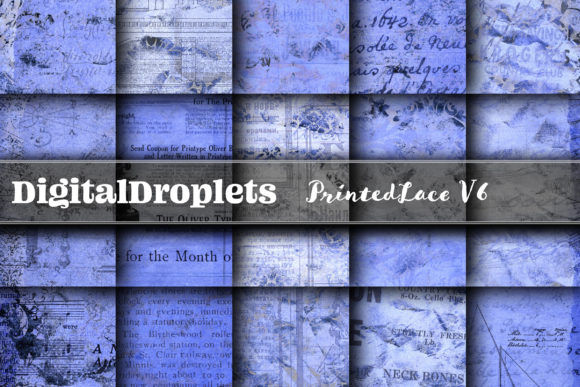
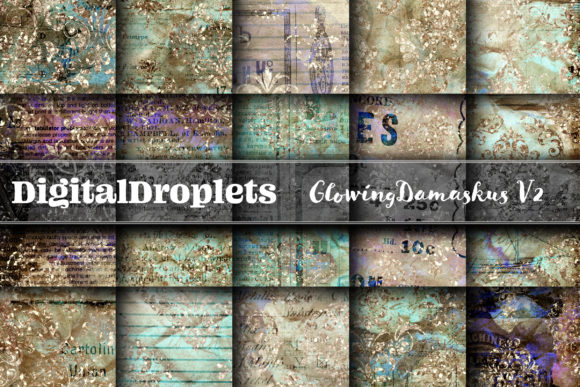
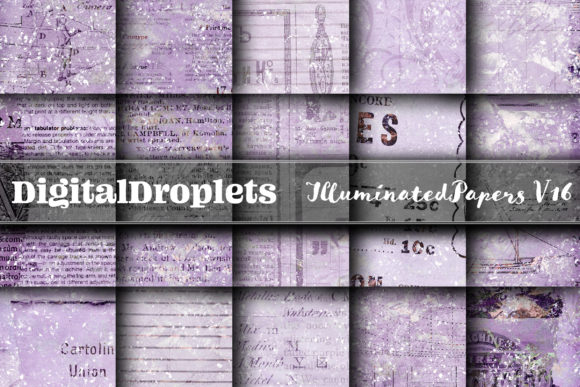
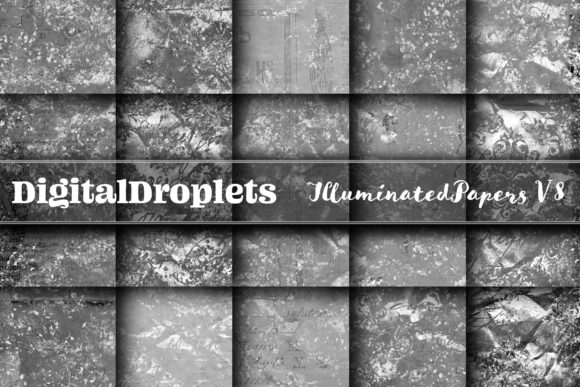
This collection is a set of 10 high-resolution JPEG files, each 12x12 inches at 300 DPI, ensuring professional quality for both digital and print applications. The designs feature vintage paper foundations overlaid with crumpled textures and infused with lace motifs. Each of the ten papers is distinct, showcasing either a newspaper style or other script, all framed by unique borders that add an extra layer of visual interest. This attention to detail makes the Printed Lace Vol. 7 | Collection a standout choice for projects requiring authentic, layered aesthetics.
Strategic Applications in Modern Design
Integrating such textured assets thoughtfully can significantly enhance visual communication. Here’s how this collection can be applied across various design disciplines:
- Branding and Identity: Use these papers as subtle background elements in logo presentations, brand style guides, or packaging mockups to convey a sense of heritage, craftsmanship, or artisanal quality.
- Marketing & Social Media: Create compelling social media graphics, blog headers, or digital ads that stand out. The textured backgrounds can make text overlays pop or serve as a nostalgic frame for product photography.
- Editorial & Print Design: Enhance magazine layouts, book covers, or invitation suites. The lace and paper textures can serve as elegant borders, section dividers, or full-page backgrounds for a cohesive editorial theme.
- Digital & Web Design: Employ these textures as subtle website backgrounds, UI card elements, or to style quote graphics and announcements, adding warmth and personality to digital interfaces.
- Packaging & Merchandise: Design unique labels, tags, or tissue paper patterns for products, especially those in the lifestyle, stationery, or gift sectors, to create a memorable unboxing experience.
Tips for Effective Integration
To maximize the impact of these assets, consider the following design principles:
- Maintain Visual Hierarchy: Ensure textured backgrounds don’t overpower your core message. Use them as supporting elements, and pair them with clean, legible typography and ample white space.
- Ensure Consistency: When building a brand system, use the same texture or a subset of the collection across all touchpoints—from the website to business cards—to reinforce visual identity.
- Test for Readability: Always check that text placed over these backgrounds remains accessible. Adjusting opacity, adding a semi-transparent overlay, or using bold typefaces can help.
- Match the Audience: Align the vintage, textured aesthetic with your target audience’s expectations. It resonates strongly with brands focusing on tradition, nostalgia, handmade goods, or boutique services.
Enhancing Your Design Workflow
Quality creative assets like the Printed Lace Vol. 7 | Collection streamline the design process. Instead of spending hours creating complex textures from scratch, designers can focus on composition, messaging, and strategy. This collection, in particular, offers a ready-made solution for adding sophisticated, vintage-inspired layers, which can be especially useful in fast-paced environments like social media content creation or rapid prototyping.
Ultimately, the choice of design elements profoundly influences how an audience perceives a brand or message. Textured backgrounds like these do more than decorate; they tell a story, evoke emotion, and create a tactile experience in a digital medium. By selecting high-quality, versatile assets and applying them with intentional design principles, professionals can significantly elevate the aesthetic and communicative power of their work, ensuring their projects are not only seen but felt and remembered.