Illuminated Papers Vol. 8: Vintage Textures with a Modern Edge
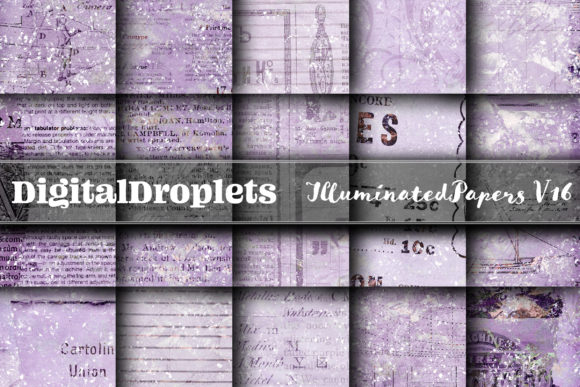
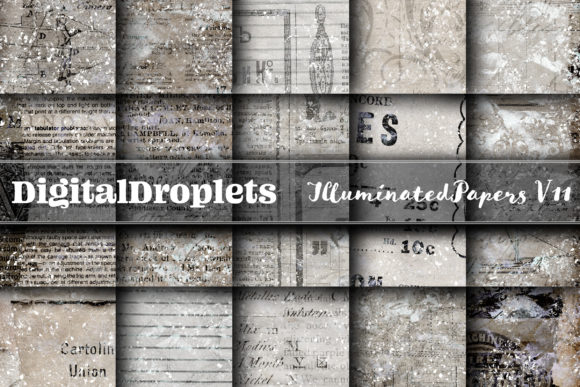
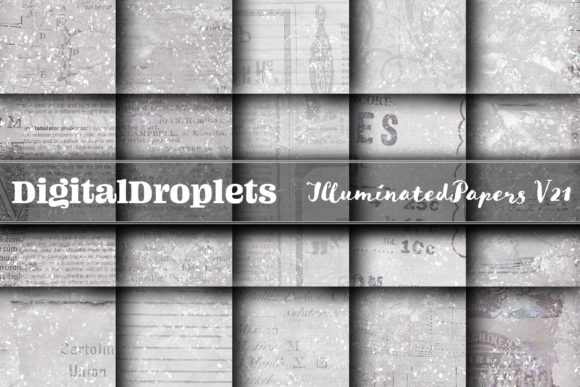
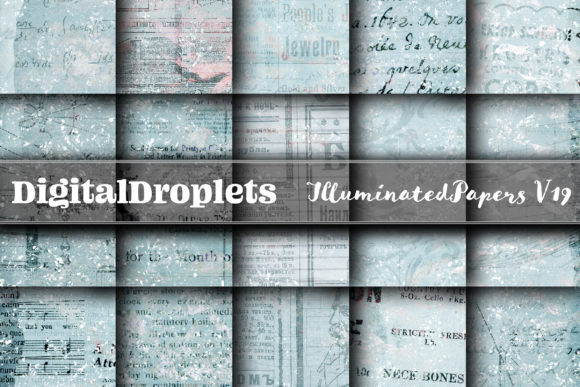
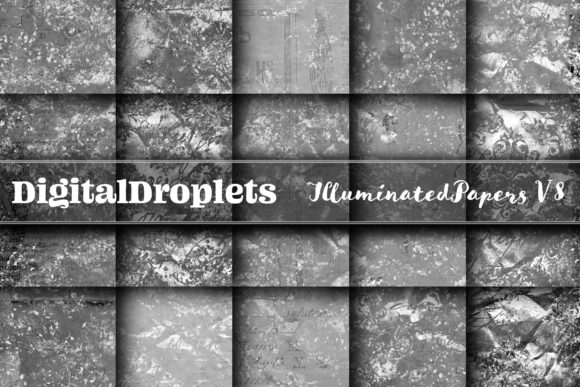
For designers seeking to infuse projects with instant depth and narrative, the Illuminated Papers Vol. 8 | Collection offers a curated set of vintage textures that bridge historical charm with contemporary digital needs. This specific 12×12 paper set features ten high-resolution JPEG files, each combining aged newspaper or script backgrounds with scattered glitter overlays and unique decorative borders. The result is a versatile asset that serves as more than just a backdrop; it becomes a foundational element for establishing a distinct visual identity, particularly within gothic, vintage, or eclectic design themes.
Elevating Visual Communication with Textured Assets
In modern graphic design, texture plays a critical role in creating tactile interest and guiding user engagement. Flat, uniform backgrounds can sometimes fail to capture attention in crowded digital or print spaces. Integrating a resource like the Illuminated Papers Vol. 8 | Collection introduces a layer of sophistication and visual hierarchy. The inherent detail in the aged paper fibers and the subtle sparkle of the glitter patterns can direct the viewer’s eye, making headlines or focal imagery stand out with greater impact. This approach is invaluable for designers looking to break away from sterile, minimalist trends and embrace a more expressive, tactile aesthetic.
Practical Applications Across Creative Projects
The utility of these papers extends far beyond traditional scrapbooking. Their high-resolution 300dpi format ensures crispness in both digital and print applications. Consider how these vintage backgrounds can be strategically deployed:
- Branding and Logo Design: Use a textured paper as a background for a logo presentation mockup to give it an artisanal, handcrafted feel. This can be particularly effective for brands in the boutique, cafe, or artisanal goods sectors.
- Marketing Materials and Social Media: Create scroll-stopping graphics for Instagram or Pinterest. A vintage paper background layered with modern typography creates a compelling contrast, enhancing brand storytelling and visual communication.
- Editorial and Web Design: In magazine layouts or website hero sections, these papers can serve as section dividers or background panels for quotes and testimonials, adding a layer of editorial design sophistication.
- Packaging and Merchandise: Apply the textures to product labels, hang tags, or digital merchandise like printable wall art. The unique borders and patterns can help create a cohesive and professional product presentation.
Integrating Texture into Your Design Workflow
Selecting the right creative asset requires a thoughtful evaluation of your project’s goals. When incorporating textured papers, prioritize consistency and readability. The busy nature of a newspaper-style background with a glitter overlay should complement, not compete with, your primary message. Use these papers as a base layer and place content on cleaner areas or add semi-transparent color panels to ensure text remains legible. This practice maintains a strong visual hierarchy and aligns with best practices in UI design and user experience.
Furthermore, consider the asset’s compatibility with your existing color palette and brand identity. The muted tones and occasional sparkle in this collection can harmonize with a range of schemes, from deep jewel tones to softer pastels. Always test how the texture interacts with your typography and logo design elements during the design process to ensure a polished, professional result.
Thoughtful design is about making intentional choices that enhance both aesthetics and communication. Quality creative assets like the Illuminated Papers Vol. 8 | Collection provide a powerful shortcut to achieving a rich, layered visual style. By leveraging such resources, designers, marketers, and creators can efficiently produce work that resonates emotionally, tells a stronger story, and stands out in a competitive visual landscape. The right texture isn’t just decoration; it’s a strategic component of effective design.