Illuminated Papers Vol. 21: Vintage Texture for Modern Design
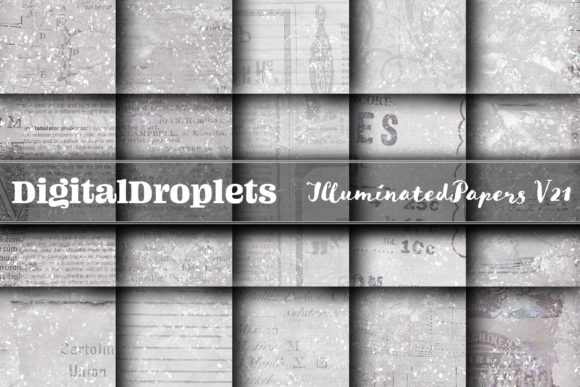
Every designer knows the challenge of finding a background that tells a story without overpowering the main message. The Illuminated Papers Vol. 21 | Collection offers a sophisticated solution, blending vintage newspaper aesthetics with the subtle sparkle of scattered glitter patterns. This unique set of 10 high-resolution 12x12 papers provides a textured, nostalgic foundation perfect for projects requiring depth, character, and a touch of gothic elegance.
Understanding the Asset: Texture and Composition
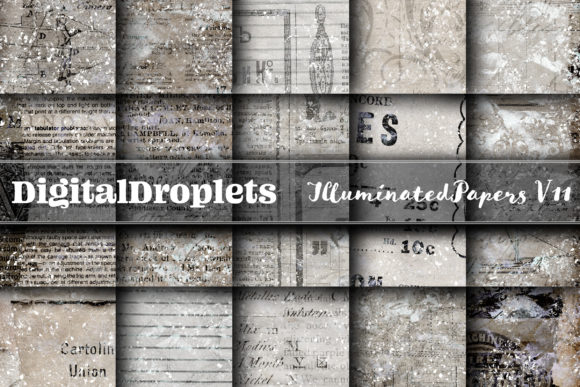
At its core, this collection is a study in visual layering. Each paper features a base of vintage typography or newspaper-style writing, creating an immediate sense of history and narrative. This is overlaid with a delicate glitter pattern, adding a modern, tactile quality that catches the eye. The inclusion of unique borders—frames within the frame—provides a ready-made compositional guide, directing the viewer's focus inward. For graphic designers, this combination solves a frequent problem: how to add visual interest and context without spending hours constructing complex layers from scratch.
Practical Applications Across Design Disciplines
The versatility of these textured backgrounds allows them to enhance a wide array of creative projects. Their value extends far beyond simple scrapbooking, offering tangible benefits to professional design workflows.
- Branding and Identity Systems: For brands with a vintage, artisanal, or eclectic identity, these papers can serve as the foundation for mood boards, brand style guides, and pattern libraries. They instantly communicate a brand's personality through visual texture.
- Marketing and Social Media Content: Use these backgrounds for Instagram stories, Facebook posts, or Pinterest pins to create a cohesive, scroll-stopping aesthetic. They are ideal for quotes, announcements, and promotional graphics where a unique backdrop increases engagement.
- Editorial and Packaging Design: In book covers, magazine layouts, or product packaging, these papers add a layer of authenticity and craftsmanship. They work exceptionally well for labels on gourmet foods, artisanal goods, or boutique cosmetics.
- Digital Products and UI Elements: While not for primary UI backgrounds due to their busy nature, they excel in digital environments as textures for ebook covers, online course materials, website hero sections for specific campaigns, or as elements within a larger collage-style design.
Integrating Textured Assets into a Professional Workflow
Successfully incorporating a pre-designed asset like the Illuminated Papers Vol. 21 | Collection requires thoughtful application. The key is to treat it as a foundational element that supports, rather than dominates, your design hierarchy.
Consider the following for effective integration:
- Assess Readability and Contrast: When overlaying text, ensure sufficient contrast. The vintage writing and glitter can be complex; use solid-color shapes, semi-transparent overlays, or bold, simple typography to guarantee legibility.
- Maintain Visual Hierarchy: Use the textured paper as the base layer. Place your primary focal point—be it a logo, product image, or key message—on a cleaner area or atop a subtle vignette to make it pop.
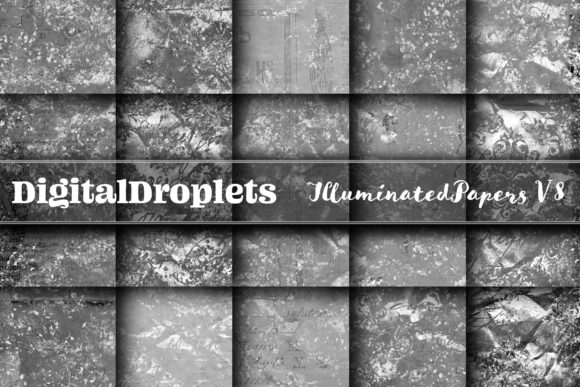
- Ensure Brand Consistency: Select papers from the set that best align with your project's color palette. The neutral, sepia, and monochromatic tones of this collection make it adaptable, but always test for harmony with your existing brand colors.
- Scale for Impact: Remember these are high-resolution 300dpi files. They can be cropped and scaled for various applications, from a full-page background to a small, textured label or tag.
The enduring appeal of vintage design lies in its ability to evoke emotion and authenticity. In a digital landscape often dominated by flat, minimalist aesthetics, a carefully chosen texture can provide the necessary warmth and depth to make a design memorable. Thoughtful selection of creative assets is not just about decoration; it's a strategic decision that enhances communication, strengthens brand identity, and elevates the overall quality of the final presentation. By leveraging high-quality, versatile resources, designers can streamline their workflow while consistently producing visually compelling and emotionally resonant work.